
How to Water Your Garden the Smart Way: A Plovdiv Homeowner’s Guide to Irrigation
A detailed, practical guide to irrigation systems for gardens in Plovdiv. Learn how sprinklers and drip irrigation work, why timers and quality parts matter, and how professional installation protects your plants from heat, frost, and water waste.


How to Choose the Right Irrigation System for Your Garden
A complete, Plovdiv‑specific guide for homeowners who want healthier plants, lower water bills, and a garden that thrives through heatwaves, holidays, and winter frost
Water as the Quiet Architect of Every Garden
Every garden has its own rhythm. Some grow slowly, shaped by years of planting and replanting. Others begin suddenly — a new home, a new yard, a blank canvas waiting for life. But no matter how different these stories are, they all depend on one quiet force: water.
Water is the architect of the garden. It decides which plants flourish, which struggle, and how much time you spend maintaining your outdoor space. And in Plovdiv — with its long, hot summers, dry winds, and unpredictable spring rains — water is not just a resource. It’s a strategy.
Choosing the right irrigation system is one of the most important decisions you can make for your garden. It affects plant health, water efficiency, maintenance time, and even the long‑term resilience of your landscape. Yet most homeowners choose irrigation reactively — after plants wilt, after a heatwave hits, after the soil cracks.
This guide is designed to change that.
It will help you understand your garden as a living system, choose the right irrigation method for each part of it, and see what goes into a professional installation that protects your garden in both summer and winter.
But more importantly, it will speak to the real life of gardening — the time, the frustration, the joy, the investment, the disappointment, and the desire for a garden that thrives without constant worry.


Understanding Your Garden’s Water Needs
Before choosing any irrigation system, you need to understand what your garden actually needs. Most irrigation mistakes come from skipping this step. People buy sprinklers because they seem easy, or drip lines because someone recommended them, without considering the deeper question:
How does your garden behave when it receives water?
To answer that, we look at three things: climate, soil, and plants.
Plovdiv’s Climate: Heat, Wind, and Long Dry Seasons
Plovdiv sits in one of the warmest regions of Bulgaria. Summers are long, dry, and often windy. Rainfall is uneven — generous in spring, stingy in July and August, unpredictable in autumn. Winters are mild but not always snowy, which means the soil doesn’t get the deep moisture recharge that colder regions enjoy.
This climate creates several challenges:
Water evaporates quickly in summer
Afternoon winds scatter sprinkler spray
Plants experience heat stress
Soil dries out faster than expected
Irrigation needs vary dramatically between seasons
A good irrigation system must adapt to these rhythms. It must deliver water efficiently during heatwaves, avoid waste during windy days, and adjust to the changing needs of spring, summer, and autumn.
Soil: The Hidden Engine Beneath Your Feet
Soil determines how water moves, how long it stays, and how deeply it penetrates. In the Plovdiv region, soil types vary widely:
Clay‑rich soils (common in villages like Kurtovo Konare): hold water but drain slowly
Sandy soils (more common near the river): drain quickly and dry out fast
Loamy soils (the gardener’s dream): hold moisture without becoming waterlogged
Why does this matter?
Because irrigation must match soil behavior.
Clay soil needs slow, steady watering — too much too fast and the water simply runs off. Sandy soil needs shorter, more frequent watering cycles. Loam can handle almost anything but still benefits from drip irrigation for efficiency.
Plants: Every Species Drinks Differently
A garden is rarely uniform. You might have:
A lawn
A row of roses
A vegetable garden
Fruit trees
Lavender or herbs
Shade plants
Potted plants
A greenhouse
Each of these has different water needs.
Lawns need shallow, even coverage.
Vegetables need consistent moisture.
Fruit trees need deep, infrequent watering.
Lavender prefers dry roots.
Roses want steady hydration but hate wet leaves.
This is why no single irrigation system works for the entire garden.
A well‑designed garden uses a combination of systems, each chosen for the plants it serves.


Sprinkler vs Drip Irrigation: Understanding the Tools
Most homeowners begin with the question:
“Should I use sprinklers or drip irrigation?”
The truth is: both have their place. But they work in completely different ways.
Sprinkler Irrigation: When Water Falls Like Rain
Sprinklers imitate rainfall. They spray water into the air, which then falls onto the soil and plants. This makes them ideal for lawns and large, uniform areas.
How Sprinklers Behave in Plovdiv’s Climate
On a calm morning, sprinklers work beautifully. Water lands evenly, the soil absorbs it, and the lawn drinks happily.
But in the afternoon?
The wind picks up
The sun is strong
Evaporation skyrockets
Half the water never reaches the soil
This is why timing matters. Sprinklers should run early in the morning — ideally between 4:00 and 7:00.
Where Sprinklers Shine
Lawns
Groundcovers
Large open spaces
Areas where plants have similar needs
Where Sprinklers Struggle
Vegetable gardens
Flower beds
Shrubs and trees
Windy areas
Sloped terrain
Sprinklers are not “bad.” They are simply specialists — perfect for lawns, inefficient for everything else.
Drip Irrigation: Watering the Roots, Not the Leaves
Drip irrigation delivers water directly to the soil at the base of each plant. No spraying, no misting, no evaporation. Just slow, steady hydration exactly where it’s needed.
This makes drip irrigation the most efficient system for almost every part of the garden.
How Drip Irrigation Behaves in Plovdiv’s Climate
Drip lines are unaffected by wind.
They lose almost no water to evaporation.
They work beautifully with clay soil.
They can be hidden under mulch.
They reduce fungal diseases by keeping leaves dry.
In a region where water is precious and summers are harsh, drip irrigation is the quiet hero.
Where Drip Irrigation Shines
Vegetable gardens
Flower beds
Roses
Shrubs
Fruit trees
Herb gardens
Greenhouses
Potted plants
Where Drip Irrigation Is Less Ideal
Lawns
Very large open spaces
Drip irrigation is a precision tool — perfect for plants with individual needs.


Choosing the Right System for Each Part of Your Garden
Now that you understand the systems, let’s apply them to real garden situations.
Lawns: The Domain of Pop‑Up Sprinklers
Lawns need even, shallow coverage. Sprinklers are the only system that can deliver this.
For larger lawns, professionals use larger pop‑up rotor sprinklers — not above‑ground heads. These stay hidden when not in use and rise only while watering. They rotate slowly and can reach distances of 10–15 meters, making them ideal for:
Bigger private gardens
Wide lawn areas
Shared residential spaces
They create even coverage with fewer heads and keep the garden looking clean and safe.
Vegetable Gardens: Drip Is Essential
Vegetables need consistent moisture at the root zone. Too much water on leaves encourages disease. Too little water causes stress, bitterness, cracking, and reduced yields.
Drip irrigation solves all of this.
Flower Beds: Drip for Beauty and Efficiency
Flower beds often contain a mix of species — roses, perennials, annuals, bulbs. Each has different needs, but all benefit from root‑level watering.
Drip irrigation keeps foliage dry, reduces disease, and delivers water exactly where it’s needed.
Shrubs, Hedges, and Fruit Trees: Deep, Slow Watering
Shrubs and trees need deeper watering than flowers. Drip irrigation with individual emitters or thicker drip lines works perfectly.
Emitters are placed around the tree’s drip line — the circle where rain naturally falls from the canopy — encouraging deep root growth and healthier trees.


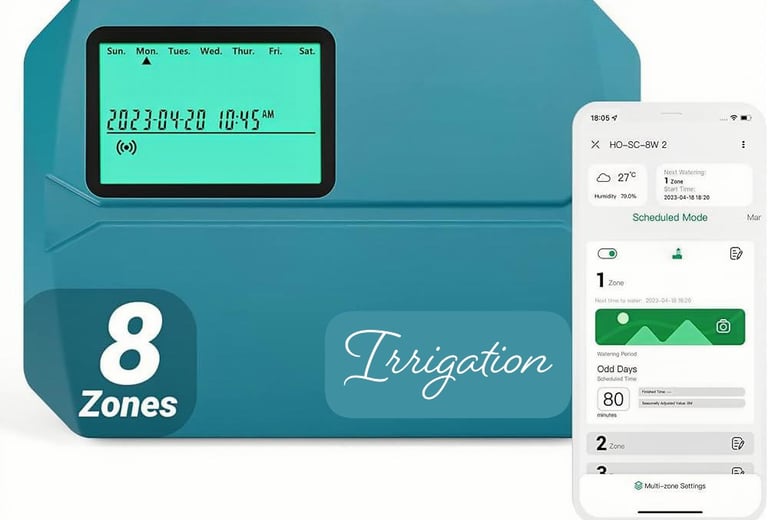
The Importance of Timers and Automation
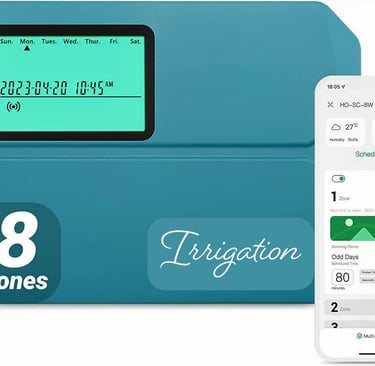
Timers are the brain of the irrigation system.
A good timer:
Waters early in the morning
Adjusts for seasons
Skips watering when it rains
Runs multiple zones independently
Prevents overwatering
Saves water
Protects plants from stress
Keeps the garden alive while you’re away
A cheap timer:
Fails in heat
Loses programming
Waters at the wrong time
Overwaters or underwater
Breaks after one season
A professional timer is the difference between:
A garden that thrives
A garden that survives
A garden that dies
The Hidden Problems Most Homeowners Never See
This is where most homeowners are surprised.
A proper irrigation system is not “pipes and sprinklers.”
It’s a piece of engineering that must match:
Water pressure
Flow rate
Soil type
Plant needs
Sun exposure
Elevation changes
Seasonal temperature swings
Future garden growth
Here’s what happens behind the scenes.
Hot Weather: The Silent Killer of Plants
In summer, water sitting inside pipes heats up dramatically.
Even underground pipes warm because the soil itself reaches high temperatures.
When the system turns on:
The first 1–3 minutes of water can be 40–60°C
This hot water hits the soil and roots
Grass and shallow‑rooted plants get “cooked”
Vegetables and flowers get root shock
Leaves wilt even though they were just watered
Homeowners often think the sun burned the plants. But it was the hot water.
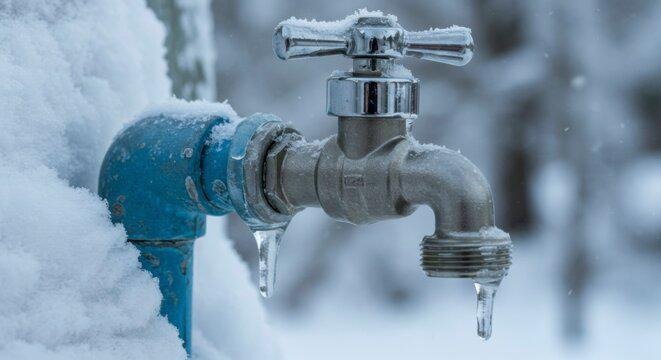
Winter: The Freeze‑and‑Burst Problem
When temperatures drop, any water left in the pipes can freeze, expand, and burst the system.
This causes:
Underground leaks
Broken connectors
Cracked pipes
Weak pressure in spring
Costly repairs
Most DIY systems fail in winter because they don’t have proper drainage.
How the Auto‑Drainage Valve Protects Your Garden Year‑Round
This is one of the quiet professional touches that makes your systems reliable.
In summer: it prevents hot water from sitting in the pipes
After each watering cycle, the valve automatically empties the lowest point of the system.
This means:
No water stays trapped
Nothing heats up during the day
The next watering cycle starts with cool, fresh water
Plants avoid heat shock
Lawns stay green and healthy
In winter: it prevents freezing and pipe damage
The valve releases water automatically, preventing ice expansion and protecting:
Underground pipes
Fittings
Connectors
Sprinkler heads
Year‑round: it stabilises pressure
By letting the system “breathe,” the valve prevents:
Airlocks
Pressure spikes
Uneven sprinkler performance
Drip lines running weakly
This is why your systems last longer and perform better.
The Real Benefits of a Professional Irrigation System
This is the part most guides ignore — but it’s the part homeowners feel the most.
Irrigation isn’t just about water.
It’s about time, stress, money, consistency, and peace of mind.
Manual Watering: Relaxing at First, Exhausting Later
Most people start with good intentions:
“Watering is relaxing.”
“I enjoy being in the garden.”
“I’ll do it every evening.”
But after a few days of heat, work, tiredness, or life happening, the reality sets in:
Watering takes hours
Hosepipes get tangled
Mosquitoes come out
The sun is still hot
You miss a day
Then two
Then the plants start to suffer
This is not laziness — it’s human nature.
And it’s one of the strongest arguments for irrigation.
The Cost of Plant Loss: The Hidden Expense
People invest:
Hundreds of leva in trees
Dozens of leva per rose
Money in soil, mulch, compost
Time in planting and caring
Then one heatwave, one weekend away, or one busy week can undo it all.
Plants die quietly.
Lawns turn yellow.
Shrubs drop leaves.
Vegetables wilt.
Replacing plants is expensive — far more expensive than installing irrigation.
The Holiday Problem: The Most Common Reason People Call
This is the one every homeowner understands:
“Who will water while we’re away?”
“We can’t ask the neighbours again.”
“We came home to a dead garden.”
A garden can survive:
1 day without watering
Maybe 2
But not 5–7 days in Plovdiv summer
This is the moment people realise:
“I need a system that waters even when I’m not here.”
The “I Forgot” Problem
Life happens:
Work runs late
Kids need attention
You’re tired
You’re sick
You’re travelling
You simply forget
Plants don’t wait.
They don’t understand “I’ll water tomorrow.”
A professional irrigation system removes the guilt and the stress.
The “My Garden Looked Great in Spring but Died in Summer” Problem
This is the heartbreak many homeowners experience.
Spring is easy:
Cool weather
Regular rain
Plants are fresh and strong
Then summer arrives:
35–40°C heat
Dry winds
No rain
Soil cracks
Plants collapse
A garden that looked perfect in May can look abandoned by August.
Irrigation prevents this.
The Peace‑of‑Mind Benefit
This is the real value of irrigation:
You don’t worry
You don’t rush home
You don’t feel guilty
You don’t lose plants
You don’t waste water
You don’t spend weekends watering
You don’t come home from holiday to a dead garden
Your garden becomes a place of joy, not stress.


Why Professional Installation Matters
While small balcony gardens or single raised beds can be watered manually, full irrigation systems for homes, lawns, and businesses require professional design.
A professional system:
Uses less water
Delivers healthier plant growth
Prevents fungal diseases
Avoids pressure problems
Reduces long‑term costs
Lasts significantly longer
Protects your investment in plants and landscaping
DIY often leads to:
Uneven watering
Dead patches in lawns
Overwatered or underwatered plants
Burst drip lines
Leaks underground
Wasted water
Constant repairs
A professionally designed system pays for itself through lower water bills, healthier plants, and fewer headaches.


Your Garden Deserves the Right Watering System
A well‑designed irrigation system is more than pipes and timers. It’s a quiet partner that works while you sleep, travel, or enjoy your weekend coffee. It protects your plants during heatwaves, saves water, and gives you a garden that feels alive and effortless.
Choosing the right system is not complicated — it’s thoughtful. And now, you have the knowledge to make that choice with confidence.
Your Garden Deserves a System That Waters Itself, Especially on the Days You Absolutely Won’t
Some days you’re full of energy, the hosepipe feels like therapy, and watering the garden is a peaceful little ritual.
And then there are the other days — the too‑hot days, the too‑busy days, the “I’ll do it later” days… the days when the plants are lucky if you even look at them.
That’s exactly why a good irrigation system exists.
A professionally designed system keeps your garden alive, hydrated, and quietly thriving — even when you’re tired, away, distracted, or simply human. It doesn’t judge, it doesn’t forget, and it doesn’t take holidays. It just does the job, every single time.
We design and install complete irrigation systems for homes, gardens, lawns, and businesses across Plovdiv and the surrounding villages. Systems that protect your plants from heat, frost, pressure swings, and water waste — and keep everything looking fresh, green, and cared for without you lifting a finger.
Because your garden deserves consistency.
And you deserve a break.


Over 100 clients who trust our work
★★★★★
© BluQ EOOD. С корени в семейството. От нашия дом до твоя